Unit economics
FBO or FBS: Compare One SKU’s Profit Without False Precision
Use the same events, period and cost rules for both fulfilment models, then separate known amounts from assumptions.
Use the same events, period and cost rules for both fulfilment models, then separate known amounts from assumptions.
Check the completeness of purchase costs, fees, logistics, advertising and returns before making a product decision.
A late return can change a profit figure you already reviewed. Link the return to its sale and verify which amounts were actually reversed.
Reconcile marketplace payouts with SKU revenue and profit by separating transaction dates, fees, returns and costs outside the statement.
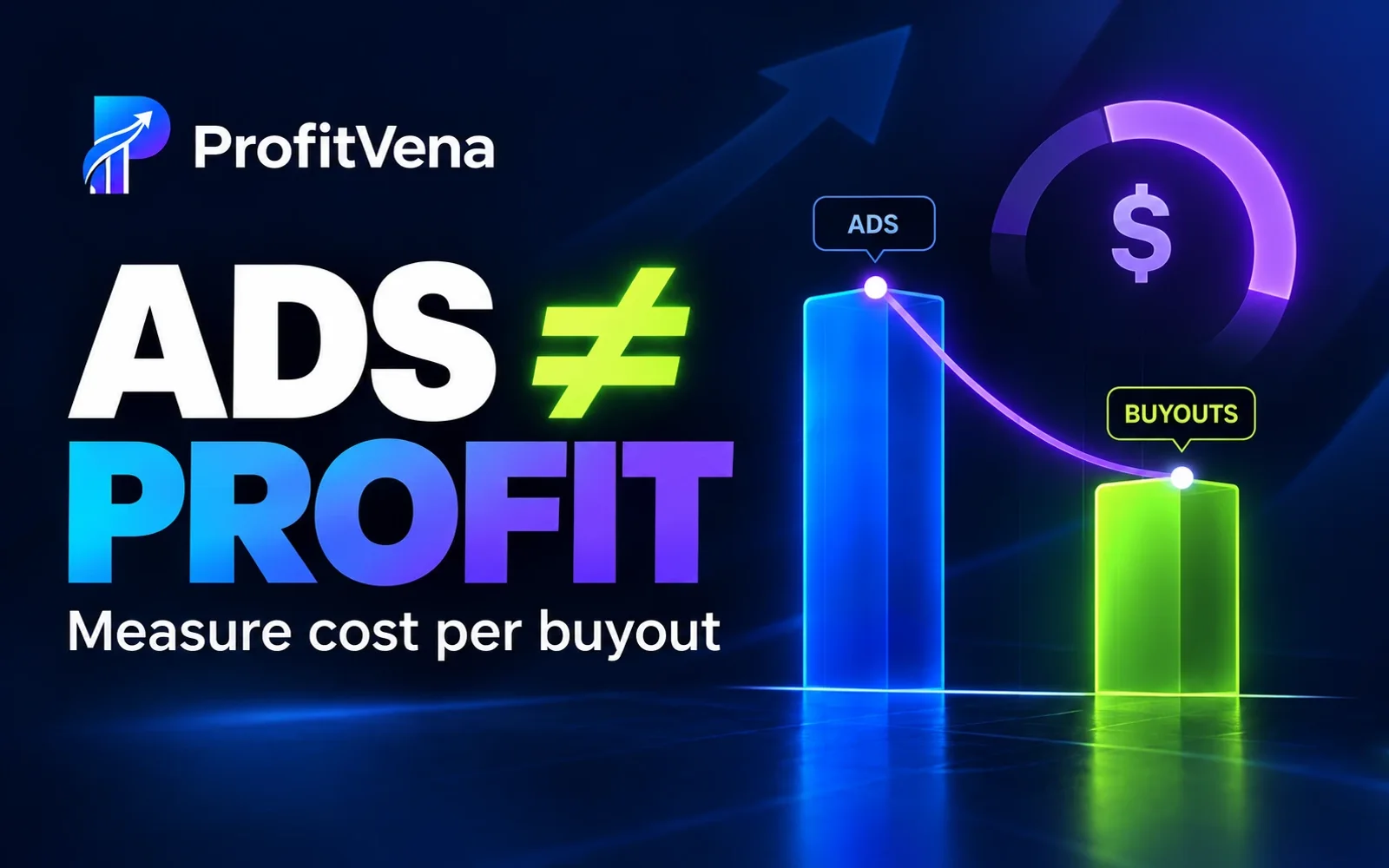
Separate orders from completed buyouts, compare ad spend with SKU margin and verify the inputs before changing bids.
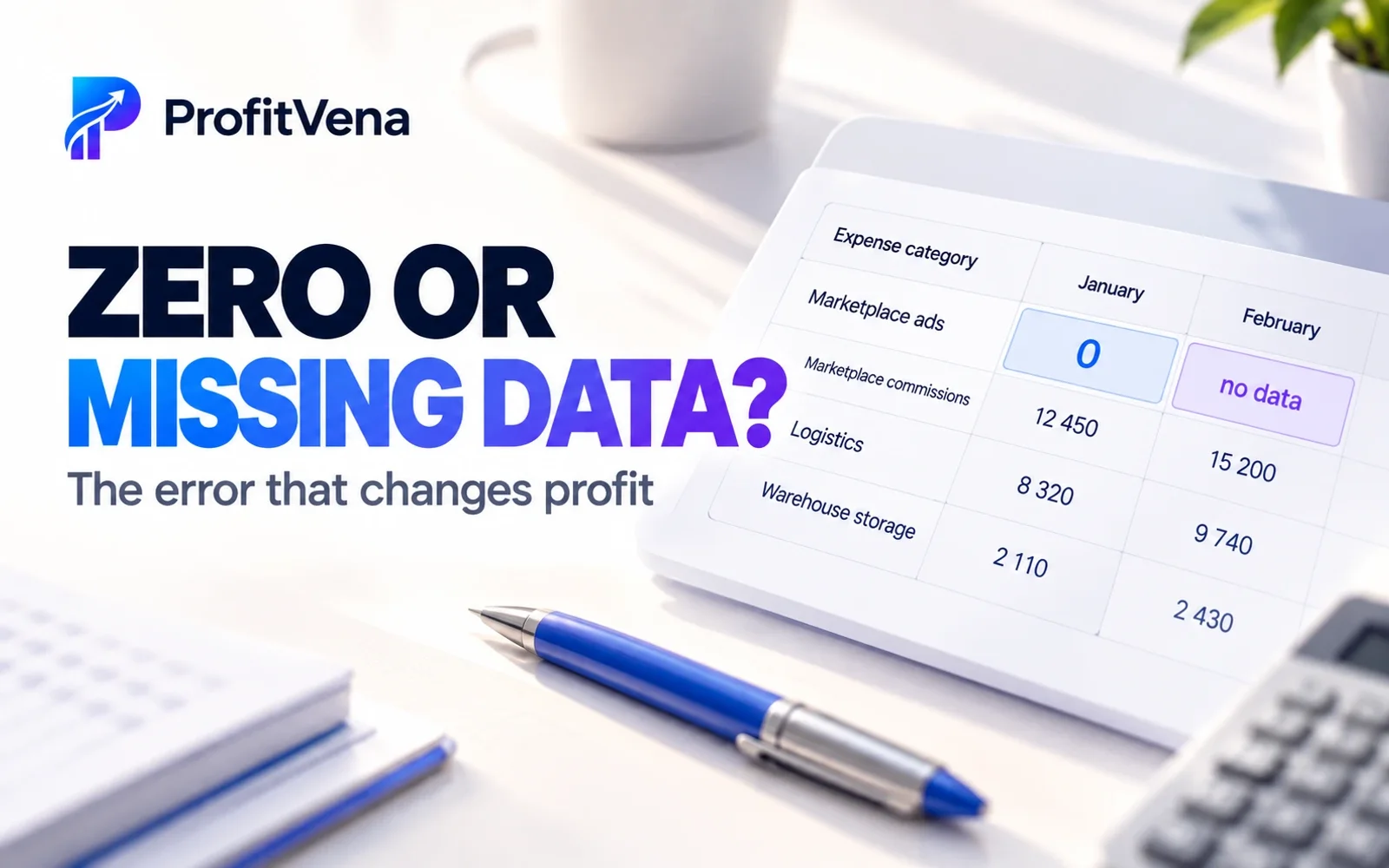
Separate a confirmed zero from a missing expense and recalculate marketplace SKU profit with source evidence.
Match scope, formulas, cost freshness and one SKU operation before judging two conflicting profit totals.
Connect sales velocity, days of cover, purchase cost and contribution before replenishing stock or discounting an SKU.
A five-step check for a new deduction: source operation, period, double counting and true effect on SKU economics.
Match the return to its original order, keep dates distinct, and recalculate confirmed costs without false zeros.
Compare SKU contribution before and after ads, separate incremental sales from organic demand, and check late costs.
Five checks after a return: reversed revenue, fees, logistics, advertising and the condition of the item.
New articles, delivered thoughtfully. Confirm your email to subscribe. Unsubscribe from any email.