Unit economics
FBO or FBS: Compare One SKU’s Profit Without False Precision
Use the same events, period and cost rules for both fulfilment models, then separate known amounts from assumptions.
Understand costs, margins and profit for every product.
Use the same events, period and cost rules for both fulfilment models, then separate known amounts from assumptions.
Check the completeness of purchase costs, fees, logistics, advertising and returns before making a product decision.
Separate purchase cost, fees, logistics, advertising and a return allowance to test a proposed promotion before it starts.
A late return can change a profit figure you already reviewed. Link the return to its sale and verify which amounts were actually reversed.
A practical pre-promotion check: identify who funds the discount, recalculate variable costs and compare SKU profit per redeemed unit.
Keep old and new purchase costs separate, match sales to the right period, and test the next batch's margin before running a promotion.
Reconcile marketplace payouts with SKU revenue and profit by separating transaction dates, fees, returns and costs outside the statement.
Compare FBS with a Wildberries warehouse using SKU contribution, storage, seller handling and cash tied up in stock.
Check warehouse costs by SKU: identify direct charges, allocate shared costs, and review margin before replenishment.
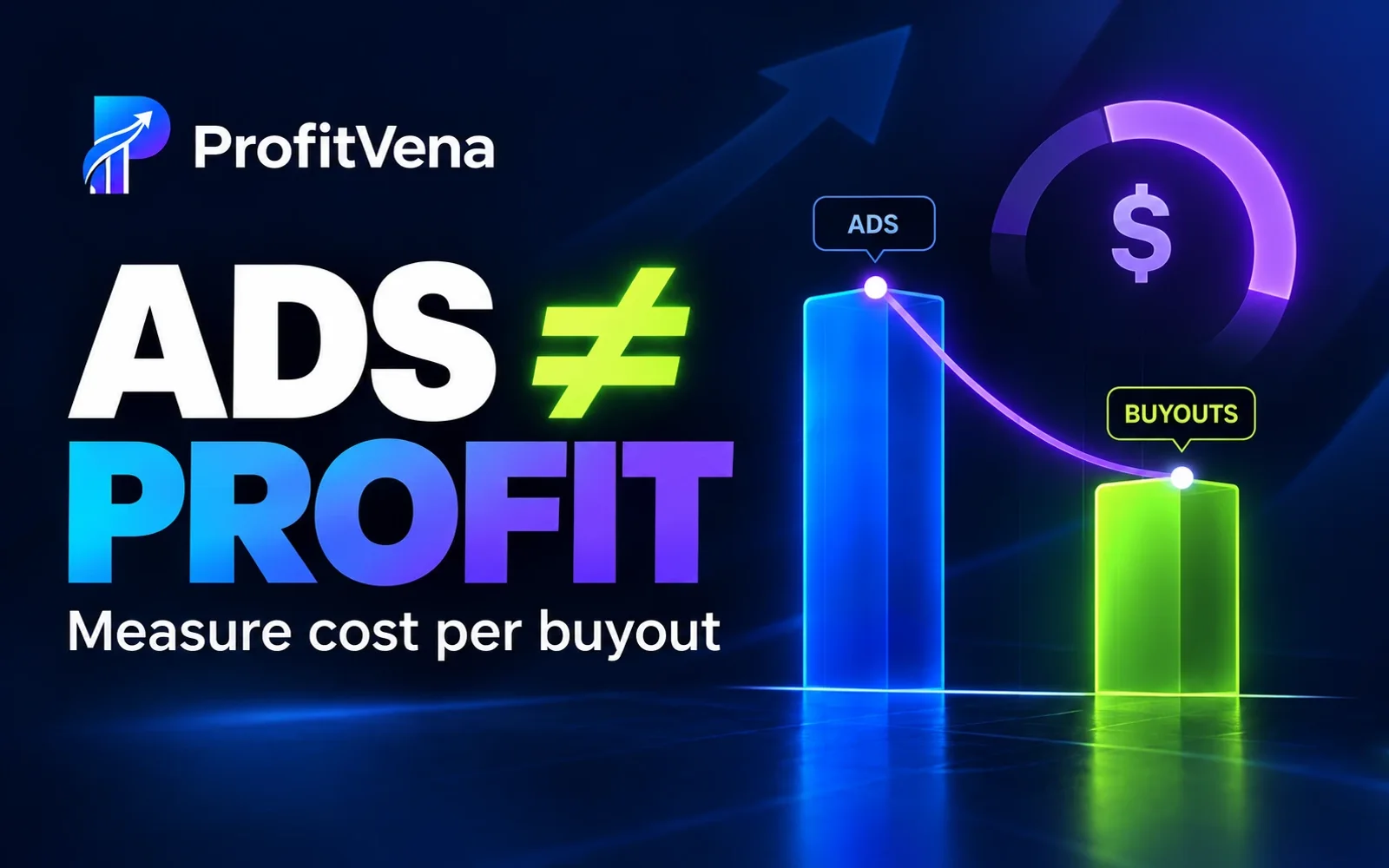
Separate orders from completed buyouts, compare ad spend with SKU margin and verify the inputs before changing bids.
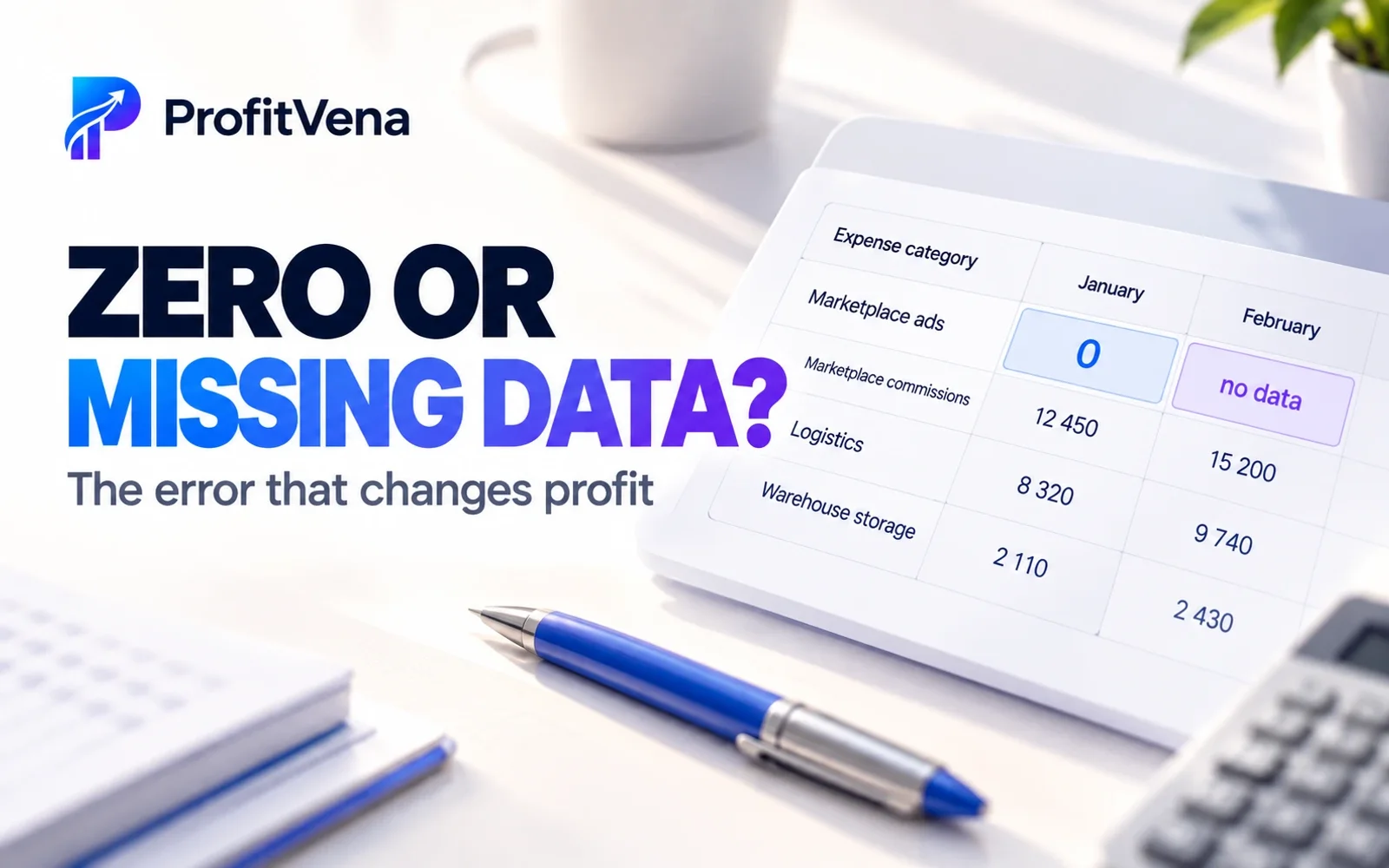
Separate a confirmed zero from a missing expense and recalculate marketplace SKU profit with source evidence.
Match scope, formulas, cost freshness and one SKU operation before judging two conflicting profit totals.
New articles, delivered thoughtfully. Confirm your email to subscribe. Unsubscribe from any email.